Saturday, May 19, 2012

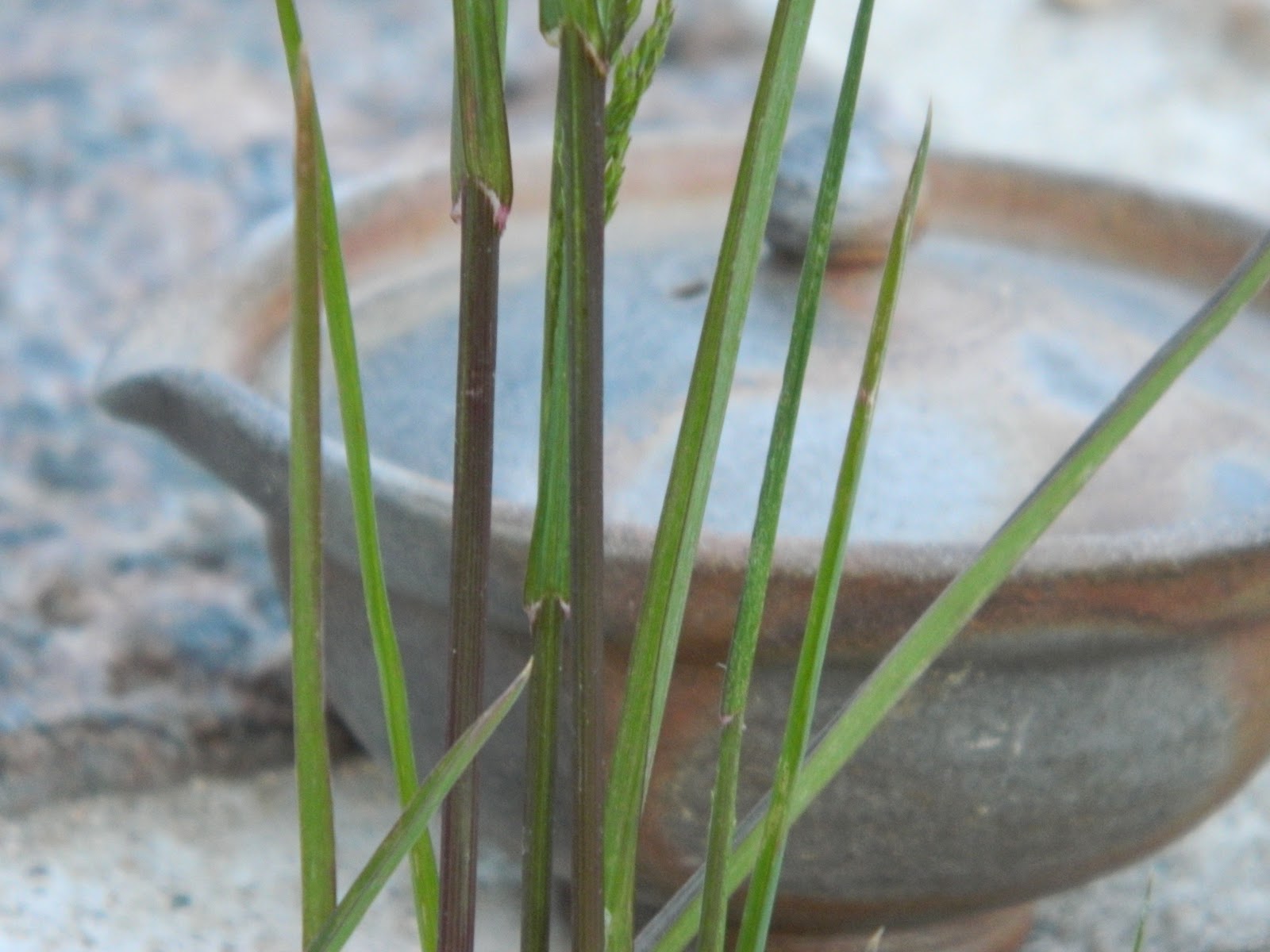
Gem Number Four- A Stone behind Grass

This Gem is already with me for couple of weeks- I just could not find few free minutes, with good light, to take pictures of it. After all, it is not going anywhere. So finally here it is- unglazed shiboridashi with cup. It is very simple, just like a stone. It was fired in part of the kiln where, when temperature reaches its top, we throw in charcoal. It is technique full of surprices, but it usually creates earthy, matt or/and rusty colors and surfaces. On this fine, pale stoneware we sometimes find this kind of lovely, multicolored and pleasant to touch surface which you can see on this fourth Gem.

For descriptions and more pictures please click here. If this "Ten Gems of Ten Kilns" project is new to you, please read this post first.


Thank you for reading!

Wednesday, May 2, 2012

YiXing clay in the middle of Europe

As many potters I know, I also base my ceramic work on local materials. Getting to know the nature around you is very important as well as quite interesting part of potters live. But when Peter Stanik, owner of small tea/yixing business, offered me chunk of Zi Ni clay to try I couldn´t refused. The clay was send by YiXing potter Lui Ming Zhu. He added short note and the information that they fire it in between 1050- 1150°C was the most important one. Well, temperature in our kiln varies from 1220 to 1380°C. It means that we can make clear clay glaze from that Zi Ni! But many low-fire clays can survive in coldest parts of our kiln, near chimney, so let's try it anyway...
Clay has very unusual hue of brown color, with hint of purple. It is without sand or another larger, rough particles in it. On first touch you can feel its plasticity. I got around 1,3kg of clay and I was decided to try to create some teapots from it. But first, I had to make some tests and see how it will work in or kiln. I made several small cones and laid out them around kiln chamber. I put some of them to hot places, some to colder and some even to chimney.
 Yes, although over-fired, almost all cones have survived. Those near chimney look very promising. So now I could start to work on first Czech Yixing teapot...
120 grams of Zhu Ni clay...

For 100ml teapot I usually need around 120g of clay. Plus I need some clay for lids and spouts. It means that if everything will go well I can make seven teapots. For the first shot I decided to go for trio. I have to say, this kind of clay is pleasure to work with. It is very smooth, plastic and strong. I haven´t expected such malleable material; it is great, at least for small forms. Here you can see several pictures from the process.


We usually do our first, bisque firing, in electric kiln and mostly to around 1000°C. From my experience, it is crucial for such high iron, low fire clays to be bisque fired in oxidation or neutral atmosphere. If such pot, made from iron rich, low-fire clay, is fired in stronger reduction without first firing it in oxidation you will find it bubbled or collapsed much sooner. That is why I have "bisqued" those three teapots even though I was not going to glaze them. 
On the right side you can see all three teapots fired to 1000°C...
After firing...
As you see I let those teapots in bare-clay rendition. All three can hold around 120ml and walls are pretty thin. There are some points on each of them, which I see now as imperfections. But I was going for natural and my-own look and feeling. From this point of view I am more then happy.


Footprints of the fire...

Attentive readers of my blog already know that one of them has become part of my Gem Collection. Second one stay with me, as part of my young sheng tea sessions. And the third one went as a gift to Peter Stanik's hands as my thanks for the opportunity to try this wonderful clay. At the end, you can take a look at Lui Ming Zhu's work from this clay here.

2011 Xi Zi Hao Ding Jia Lao Zhai Xiao Beeng Cha...long, long name for those leaves in my new teapot
Thank you for reading...


Sunday, April 22, 2012

Gem Number Three- Lily of the Valley

Another firing, another Gem to my collection. This time it is not a single piece. I have chose set of three porcelain cups, fair cup and stoneware teapot. To see more pictures and desription, please click-thru and visit second leaf of this blog. If this "Ten Gems of Ten Kilns" project is new for you, then please read this post first .


The gem picking was quite interesting this time. On one hand there were many successful pieces and few really strong candidates. On the other hand I also wanted to Ten Gem represents full body of my work. So after some thinking I end up with the kind of tea set which I recently prefer during my tea sessions. Cups and fair cup are made from translucent porcelain. I would like to continue work with this material, to make it clearer and thinner. I like the contrast between elemental process of woodfiring and clean, ethereal nature of this porcelain. The teapot in this set is kind of story itself and I promise to make whole post here about its genesis in near future. To make you wonder, I am going to say for now that it is made from original Zhi Ni and fired in our wood kiln to around 1200°C

Thank you for reading.

Thursday, April 5, 2012

My favorite sheng of the last season

I know, the name of this post is, let's say, a bit thick. But when I was thinking about all shengs from the last year which I have or I have tried then the one I am going to share with you here is my favorite. Again, I know this is not a competition. And of course, there are milion cakes which I haven't tried and/or some teas will probably age better. Also my preferences as well as understanding and officiating of teas do change in time. In spite of all above, if I should choose one ShengPu from those thirty(or so) ones I had, it would be this small ManNuo cake.

The 250g cake has nice jacket- besides Chinese, there is also (if I am not wrong)  Burmese description and  post-printed logo of the Slovak seller.

 It came to me from Slovak eshop Pu-erh.sk, with few more samples, in late autumn. I didn't know this shop before and I was agreeably surprised. I haven't found any weak or unpleasant leaves in my package then. What we can say about my favorite one? According to supplier the cake came from Mannuo village from Bulangshan. Leaves are from ancient tea trees which are pluck by Bulang minority. But what leaves say ?


Cake is natty, pressing is medium-strength. Leaves are smaller to middle sized. When smelling to the whole cake, there are heavier scents of fruits, from apricot to citrus, and also light hint of tabacco. In wet leaves, those fruits are still there, just more juicy and pungent. It makes my mouth water, just like slice of lemon. It is really funny...we can call it sheng-reflex.


Testing new stove and kettle...

First brew is light in color and thick, strong in mouth feel. Though I feel a bitter tastes (citrus like) on beginning, it disappears before I swallow the sip. I have oversteep the third brew and this bitterness was stronger and very similar to fresh teas from LaoManE. But those pungent fragrances, which remind in empty cup, are more fruity and sweet.

What makes this tea so special? It is probably that there is nothing special, nothing to spare. It is clean and strong raw puehr and that it is. There is nothing "interesting", striking or strange. It is not fawning but on other hand I dont have to look after taste and character- my mouth are full of it. Its stamina is outstanding. I also like the energy of this tea. I call it forest qi. It makes me breathe deep. Mind is focused, body energize. That the place where my love to Pu-ehr comes from and what with is feeded.

The leftover leaves are still juicy. After ten or more brews it still does not feel right to throw them away. I leave them steep over night to get very nice "day after" cup.

Coltsfoot- the first wild flowers from our garden. I am going to pick them and dry them- it is one of my favorite herbal teas when I get cold.
Thank you for reading.